Top 9 Songs of Summer

We countdown our Top 9 List of Summer-themed rock songs.
#1 – “Summertime Blues” by Eddie Cochran
#2 – “Summer in the City” by The Lovin’ Spoonful
#3 – “Saturday in the Park” by Chicago
#4 – “Boys of Summer” by Don Henley
#5 – “Sunny Afternoon” by The Kinks
#6 – “Ice Cream Man” by Van Halen
#7 – “In the Summertime” by Mungo Jerry
#8 – “School’s Out” by Alice Cooper Band
#9 – “Hot Fun in the Summertime” by Sly & the Family Stone
Honorable Mentions
- “Summer Breeze” by Seals and Crofts
- “Wipeout” by The Safaris
- “Suddenly, Last Summer” by The Motels
- “Walking On Sunshine” by Katrina and the Waves
#1. #1 “Summertime Blues”
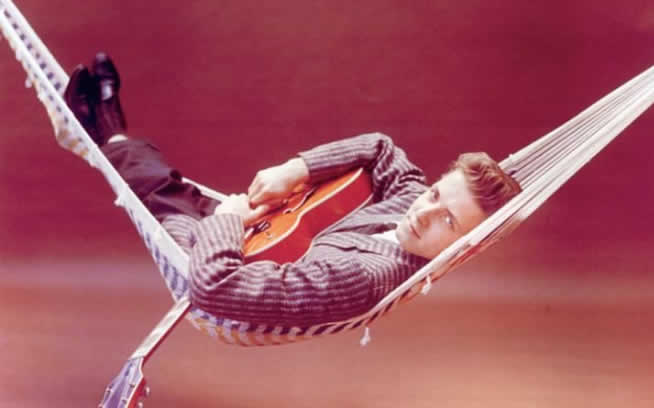
“Summertime Blues” is our #1 song of summertime because of its versatility and the way it grew up right alongside the rock genre itself as it was frequently re-interpreted through the years. Originally recorded as a B-side by Eddie Cochran in 1958, the song was later recorded by diverse sixties rock acts such as The Beach Boys, Jimi Hendrix, The Who and Blue Cheer, who may have recorded the most indelible hard rock version of the song.
Cochran was just 19 when he recorded this inventive song, which he co-wrote, played multiple instruments and provided two distinctive vocals. It was slated as a “B-side” because the record company wanted him to be more of a crooner than a rocker. However, it became a big hit on its own as a slightly rebellious song about teenage angst. Cochran died just 2 years later but the rock arrangement of this track was a huge influence on many subsequent rock musicians, especially George Harrison of The Beatles, who mimicked Cochran’s guitar playing.
The oldest song on our summer countdown, in the many decades following the song’s release, “Summertime Blues” has become a concert favorite by bands such as Van Halen, Rush, and countless others from the past, present and (no doubt) future for many summers to come.
#2. #2 “Summer In the City”
Released on the 4th of July in 1966, “Summer In the City” is a summer anthem by The Lovin’ Spoonful. This soul-inspired, electric piano driven groove was a slight departure for the predominantly folk/rock group. Still, the song was an immediate and lasting hit, reaching the top of the charts in the United States and several other countries throughout the world.
The song’s lyrics contrast the oppressive heat during the dog days of summer with the celebratory nature of the cooler summer nights. Beyond the upbeat music and chanting melody, the song is given great motion by its instrumental forays which include “city” sound effects such as a jackhammer and the horn of a Volkswagen Beetle horn.
https://www.youtube.com/watch?v=U5bUmx-hk-c
50 summers after it was first released, “Summer In the City” remains a vibrant and interesting song which works best when listened to during the hot season.
#3. #3 “Saturday in the Park”
Keyboardist Robert Lamm was inspired to write “Saturday In the Park” after visiting New York’s Central Park during a break from recording Chicago V. Lamm witnessed musicians, singers, dancers, jugglers and other performers, including an Italian ice cream vendor who was reciting Julius La Rosa’s “Eh, Cumpari!”.
In 1972, the resulting song became Chicago‘s highest-charting single to date, reaching the Top 5 on the charts and propelling the album to #1. The song’s refrain speaks of the “4th of July” ( although that date actually fell on a Sunday in 1971), an American holiday right in the heart of summer, and the upbeat and melodic feel of the music and melody provide the perfect vibe for the season.
“Saturday in the Park” has remained popular throughout the decades and has been widely used in films and commercials as well as being regularly played during Saturday afternoon baseball games (in Chicago and beyond). The song’s title has also been appropriated for the annual Saturday In the Park festival in Sioux City, Iowa.
#4. #4 “Boys of Summer”
While driving on a California freeway, former Eagles’ drummer Don Henley spotted a Grateful Dead bumper sticker on a Cadillac Seville and was inspired to include this dichotomic image in a new song. The result was “The Boys of Summer”, a philosophical song about seasons and aging which became a worldwide hit in 1984.
Henley composed the song with guitarist Mike Campbell of Tom Petty and the Heartbreakers, who added the signature guitar riffs, while the consistent, electronic percussion pattern was provided by Neil Giraldo, and is almost verbatim the same beat used in Pat Benatar’s hit “Love Is a Battlefield”.
In the three plus decades since its release, “The Boys of Summer” has remained a fresh and potent piece which at once celebrates the prime experience of the Summer and foretells of the coming decline of Autumn.
Listen to “Boys of Summer”:
#5. #5 “Sunny Afternoon”
Musically, “Sunny Afternoon” is a song which bridges the gap between The Kinks early, mid-sixties garage-rock style and the music-hall-influenced numbers on their concept albums of the late 1960s and early 1970s. While the song’s lyrics focus on an aristocrat with too much time on his hands, the hook and overall vibe give an atmosphere of summertime leisure.
The song was actually written very quickly, within a single morning and during a significant songwriting dry spell for group leader Ray Davies in early 1966. At the time, Davies claims he was only listening to Bob Dylan and Frank Sinatra and feels those two disparate influences played a role in this track’s unique structure.
“Sunny Afternoon” was released as a single At the beginning of June 1966 and topped the UK Singles Chart by July, making it an instant summertime hit. It was later included on the Kinks’ album Face to Face, which some consider rock’s first concept album, and the song has been covered by over a dozen artists in the half century since its release. A musical based on the early life of Ray Davies, titled Sunny Afternoon, premiered in 2014.
Listen to “Sunny Afternoon”:
#6. #6 “Ice Cream Man”
The number six song on our Top 9 Summertime countdown extends across the spectrum from the innocent to the seedy. “Ice Cream” man was written and released in the early 1950s by Chicago bluesman John Brim but made most famous a quarter century later when Van Halen included it on their phenomenal debut album.
Lead vocalist David Lee Roth lobbied to have this somewhat obscure cover included on Van Halen’s debut and he liked the song so much, he re-recorded it for a later solo album.
With lyrics crafted from double-entendres, this song at once portrays the innocent symbolism of a childhood treat and the coded interplay of adult interactions. Musically, the Van Halen version also brings together two disparate vibes, with the early verses being laid back, acoustic blues before the song explodes into a hard rock frenzy, complete with a classic early guitar solo by Eddie Van Halen.
Listen to “Ice Cream Man”:
#7. #7 “In the Summertime”
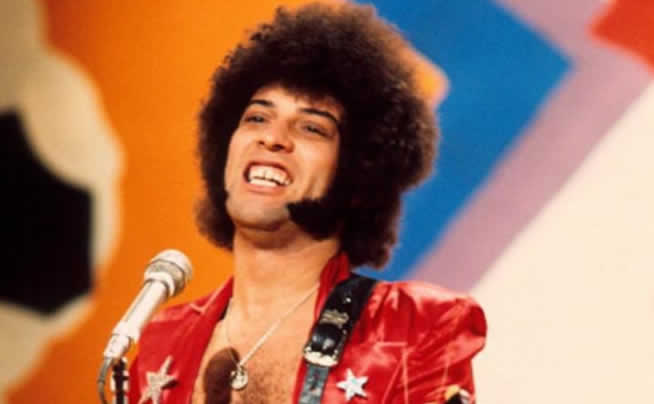
Our number seven “summertime” song is the first and best known single by the British group Mungo Jerry, “In the Summertime” is a laid back stomp about the most base instincts and pursuits. The carefree song was written in 1968 by group vocalist Ray Dorset, who claims it only took “ten minutes to write”.
The song has a very interesting structure and arrangement as there are no choruses or breaks, just a repeating verse melody. Instrumentally, the track is dominated by Colin Earl piano, accompanied by an acoustic guitar, banjo, jug, shaker and Dorset stomping his foot along with providing lead vocals.
In spite of these anomalies for a pop song, “In the Summertime” was a smash hit, reaching number one on both sides of the Atlantic and selling an estimated 30 million copies worldwide.
Listen to “In the Summertime”:
#8. #8 School’s Out
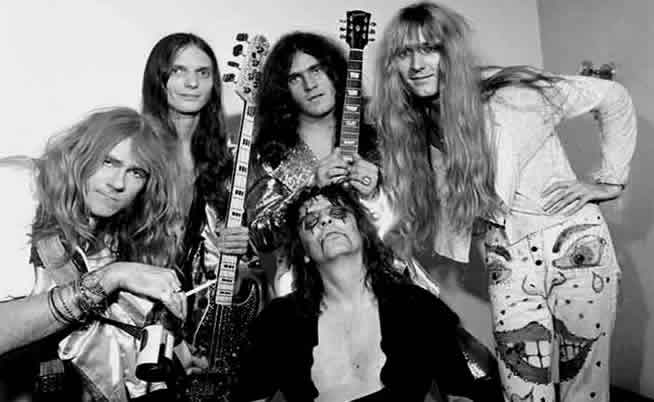
Alice Cooper was inspired to write “School’s Out” when thinking about capturing the excitement of the last three minutes of the last day of school; “when you’re sitting there and it’s like a slow fuse burning.” The indelible lyrics of this song combined with the unmistakable riff by guitarist Glen Buxton, has made it an annual early summer anthem for nearly half a century.
Released on the 1972 album of the same name, “School’s Out” was Cooper’s first hit single, reaching the Top 10 in several countries in spite of the fact that many radio stations banned the song because of its “rebelliousness attitude against education.” The song has also been a primary influence on future rock anthems, most famous among them, Pink Floyd’s “Another Brick in the Wall, Part 2”.
Listen to “School’s Out”:
#9. #9 Hot Fun in the Summertime
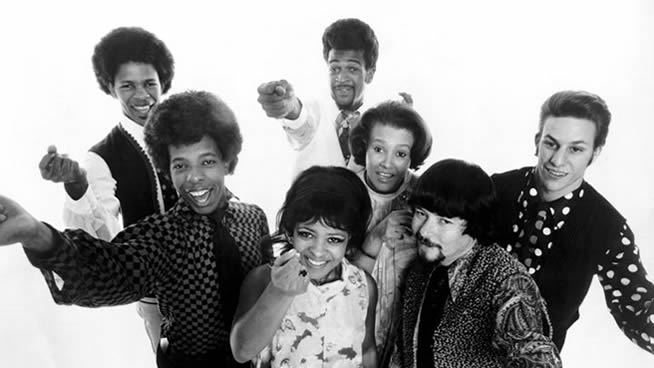
Released as a single towards the end of summer 1969, “Hot Fun in the Summertime” was a radio song promoted to take advantage of Sly and the Family Stone‘s high-profile performance at The Original Woodstock Festival. The song was originally intended
for an upcoming studio album but was only included on the 1970 Greatest Hits LP.
While the song was an immediate hit, peaking at #2 on the US pop charts, its influence is far more wide reaching. It has been covered several times, most famously by the Beach boys in 1990, and has also been cited as a direct influence on the later rock hits “Hold the Line” by Toto and “Misunderstanding” by Genesis, the latter of which directly lifts the methodical riff and staccato piano verbatim.
Listen to “Hot Fun in the Summertime”: